FUTURE & RESILIENCY
PLANNING FOR THE FUTURE AND RESILIENCY
While areas of the Economic Development District have flourished for quite some time, several of the more traditionally rural areas of the region have recently experienced rapid growth, while others are at the genesis of growth.
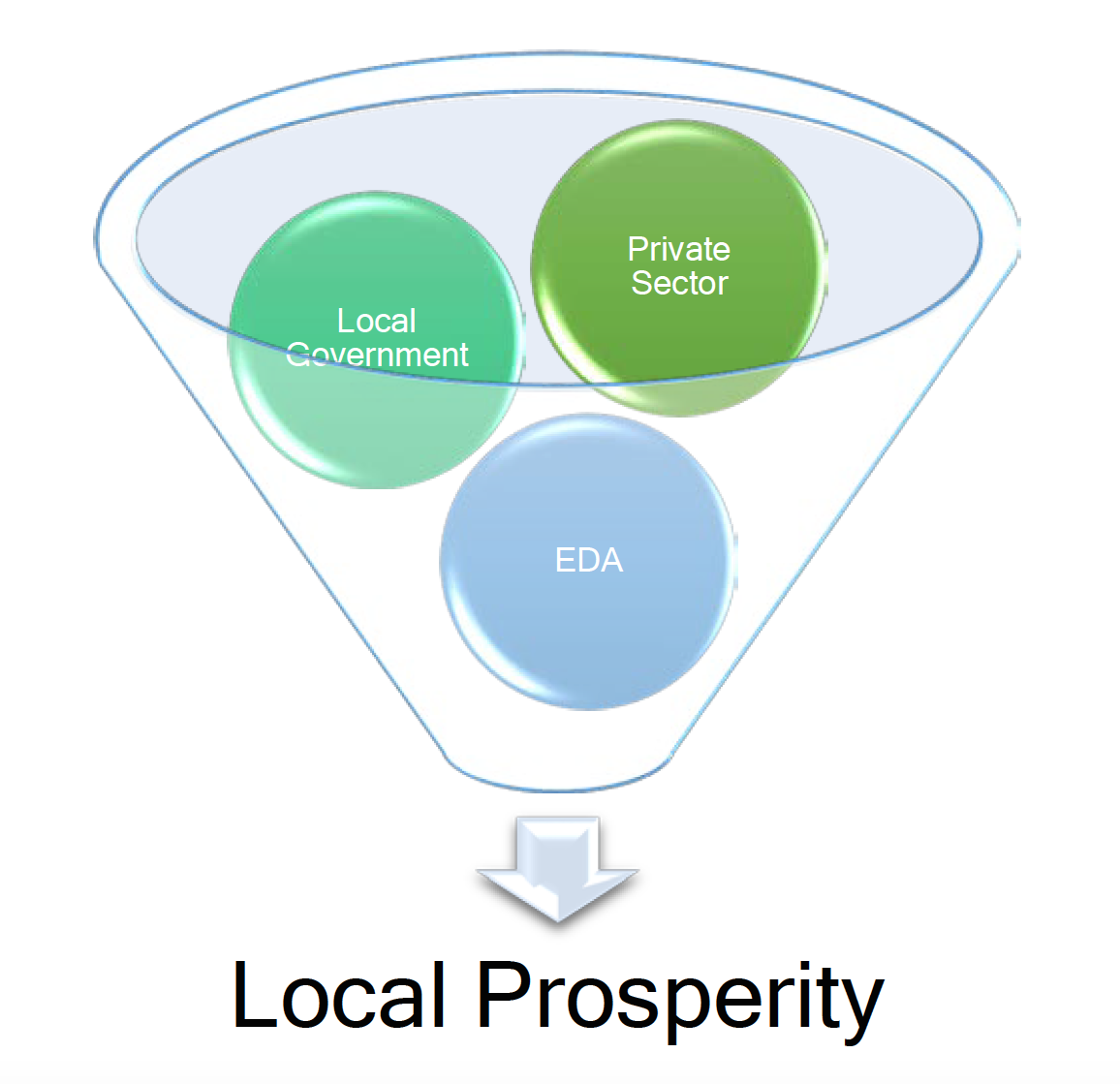
Through the cooperative efforts of local government, local economic development organizations, the Catawba Regional Council of Governments, and the U.S. Economic Development Administration, the practice of proactively planning for future growth has accelerated in recent years throughout the region.
These planning efforts may guide and manage growth locally to ensure conducive, diverse, and sustainable economies in these emerging areas. Planning efforts are built upon substantial private and public input, traditional planning principles, and advanced GIS modeling.
These efforts, coupled with regional hazard mitigation planning, aim to guide growth, ensure that infrastructure and service delivery pressures and threats are addressed, and encourage economic development diversity to create a resilient economy in which to work and live.
Planning for the Future and Resiliency
While many of these planning projects would usually be cost-prohibitive for smaller jurisdictions, the Catawba Regional Economic Development District has leveraged its ties to state, federal, and local public and private entities to reduce the burden on local government. This often yields a cost-sharing model consisting of private economic development groups, federal/state grants, and local money. This practice not only reduces the financial burden for the local government but also encourages participation and input on the project from both the public and private sectors alike.
The Union County Hazard Mitigation Plan and the Town of Carlisle Comprehensive Plan were two recent projects funded in this manner that were specifically designed to guide growth and ensure a resilient and diverse local economy. For the first time, the Union County Hazard Mitigation Plan incorporated a section about how the local economy could be more resilient to economic and natural disasters. The plan also incorporated how climate change may affect existing hazards and community lifelines. The Town of Carlisle Comprehensive Plan was funded by the South Carolina Municipal Association Smart Growth Grant, the Spartanburg local chapter of the National Realtor’s Association, and the Town of Carlisle. The plan’s economic and land use elements focused on growing and diversifying the community’s economy.
Counties throughout the Economic Development District have expressed interest in similar work. They, too, identify and respond to growth pressures and seek to market and develop more diverse areas across the region.